
How Michigan Weather Impacts Exterior Materials
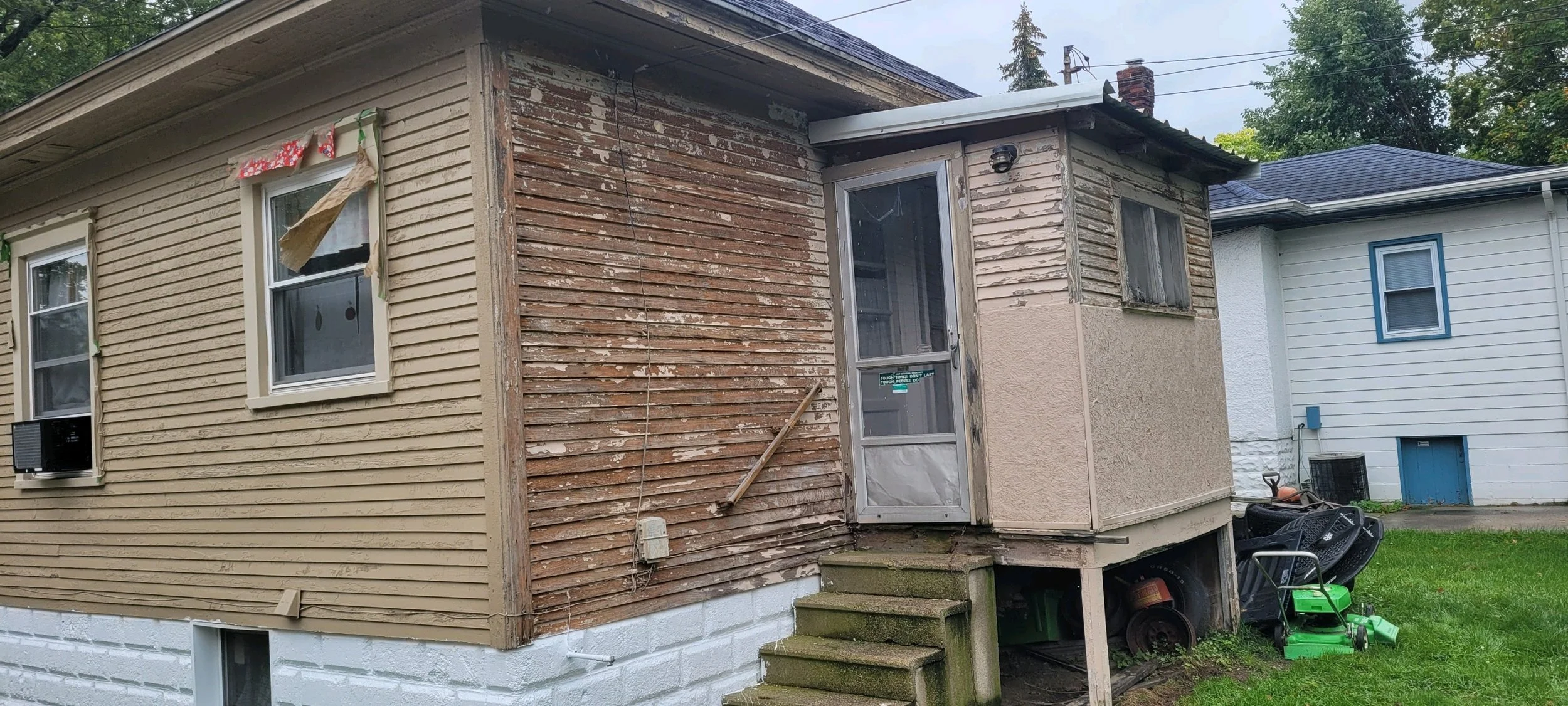
Michigan weather is tough on your home. Between long, snowy winters and humid summers, your roof, siding, deck, and pole barn take a beating year-round. Knowing how the climate works against your home helps you make smarter choices, avoid costly repairs, and get more years out of your investment.
What Michigan's Climate Does to Exterior Materials
Mid-Michigan goes through some serious temperature swings. One week you're shoveling snow, the next it's 50 degrees and raining. That kind of back-and-forth puts constant stress on exterior materials. They expand. They contract. They soak up moisture and dry out, sometimes in the same week.
Over time, all that movement leads to cracking, warping, and rot. Without the right materials and a solid install, your roof, siding, and deck can wear out a lot faster than they should.
Freeze-Thaw Cycles and the Damage They Cause
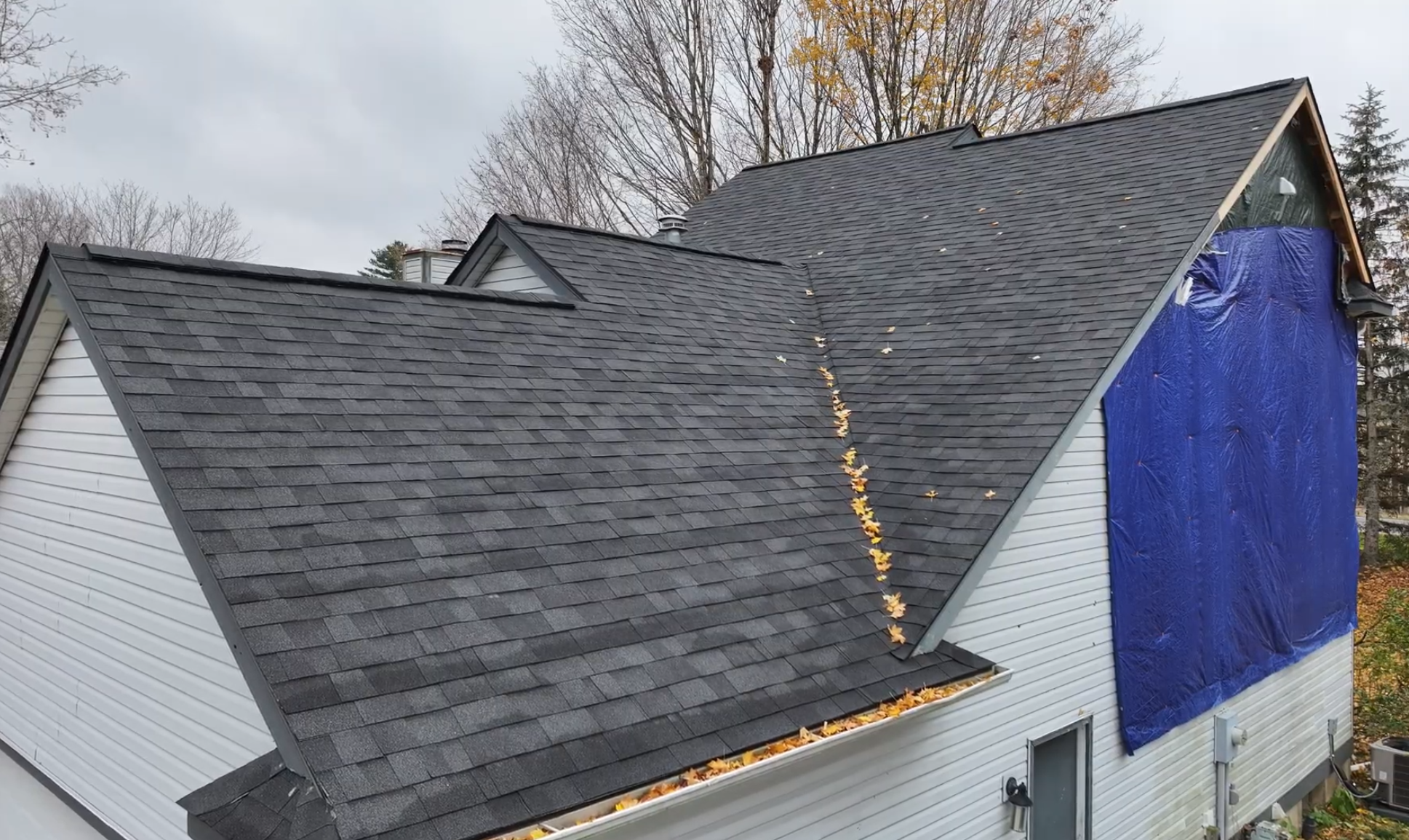
Freeze-thaw damage is one of the worst things your home faces here in Michigan. Here's how it works, water gets into a small crack or a porous spot. When temps drop, that water freezes and expands. When it warms back up, the ice melts, and even more moisture works its way in. Then it freezes again.
That cycle repeats all winter. It weakens materials from the inside out, cracking shingles, splitting wood, loosening fasteners, and breaking down siding and masonry. Even good materials struggle if they're not built to handle that kind of movement.
Signs of Freeze-Thaw Damage to Watch For
Catching damage early can save you thousands. Here's what to keep an eye out for:
Curling or cracked shingles
Gaps between siding panels
Peeling paint or bubbled-up finishes
Warped or splintering deck boards
Cracks in concrete or masonry
If you spot any of these, it's worth having an expert take a closer look before the damage spreads.
The Best Exterior Materials for Michigan Homes
Not every material holds up the same way in our climate. A few that perform well right here in Mid-Michigan:
Metal roofing and architectural shingles: Handle snow loads and big temperature swings
Fiber cement siding and engineered wood: Stand up to moisture and movement
Quality vinyl siding: Works great when it's installed right, with room to expand and contract
The bottom line, pick materials built for moisture and movement. Anything less and you'll be paying for it later.
How Moisture Wears Down Your Home
Michigan never really dries out. Snow, rain, humidity, your home is exposed to moisture pretty much year-round. Over time that leads to rot, mold, corrosion, and weakened structure. It can soak into deeper layers too, hurting your insulation and even leading to ice dams in winter.
Your deck and pole barn are especially exposed since they don't have the same protection as the rest of your home. Without good drainage and the right treatment, they can warp, rot, and start failing at the joints.
What Michigan Weather Does to Decks and Pole Barns
Decks and pole barns have it the roughest. They're out in the weather all the time, rain, snow, freezing temps, and ground movement.
For decks, repeated moisture exposure makes wood swell, warp, and eventually rot. Freeze-thaw cycles cause cracking and splitting, especially on untreated or lower-grade wood. And over time, fasteners can loosen or corrode, which is a real safety issue.
Pole barns deal with similar problems, but on a structural level. Frost heave can shift posts and foundations. Moisture can sneak into wood components and cause mold or decay. Without proper drainage, sealing, and the right materials, problems can snowball fast.
The good news? With treated or engineered materials, solid drainage, and a thoughtful install, your deck or pole barn can last decades.
When to Plan Your Exterior Project in Michigan
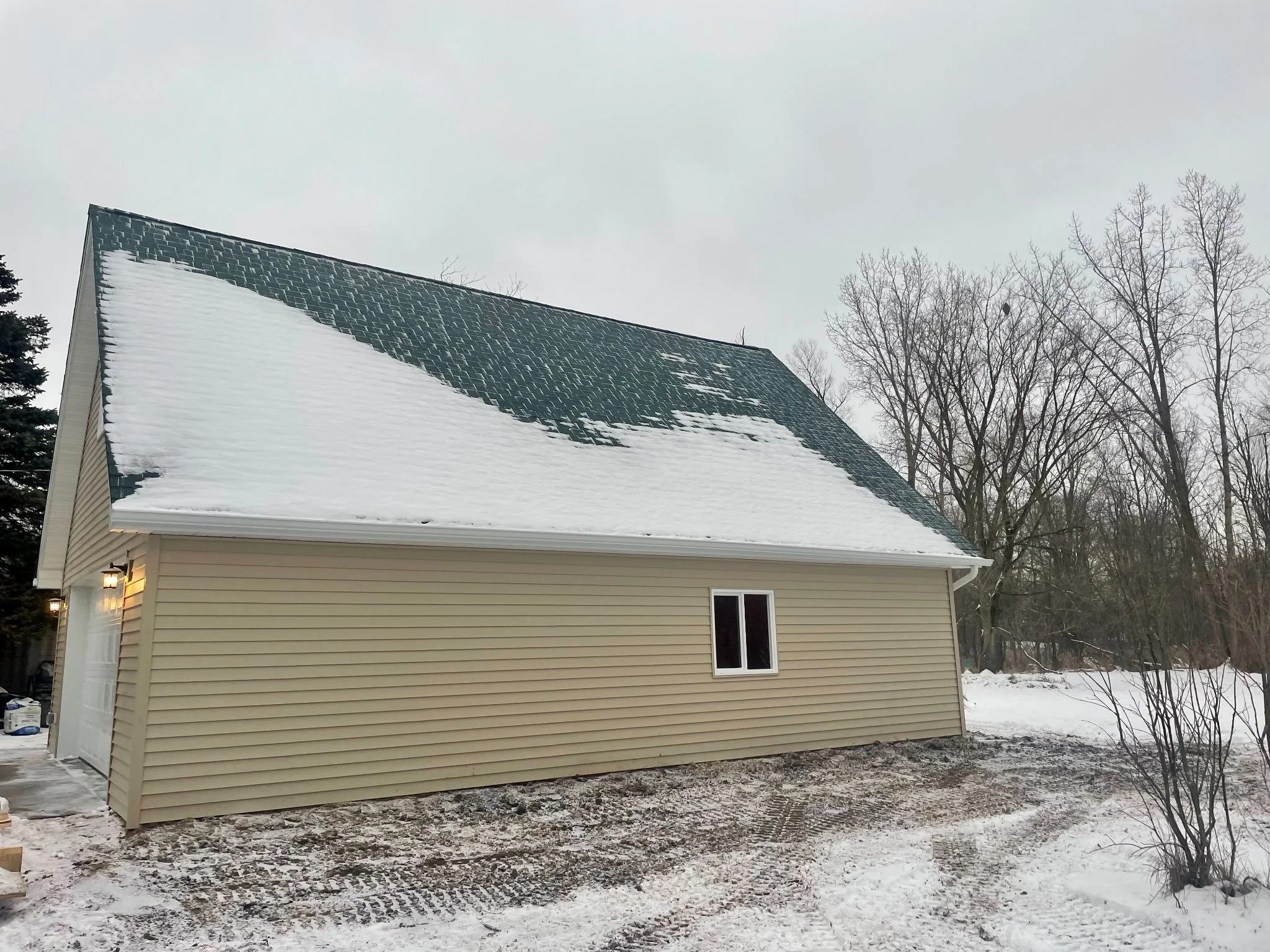
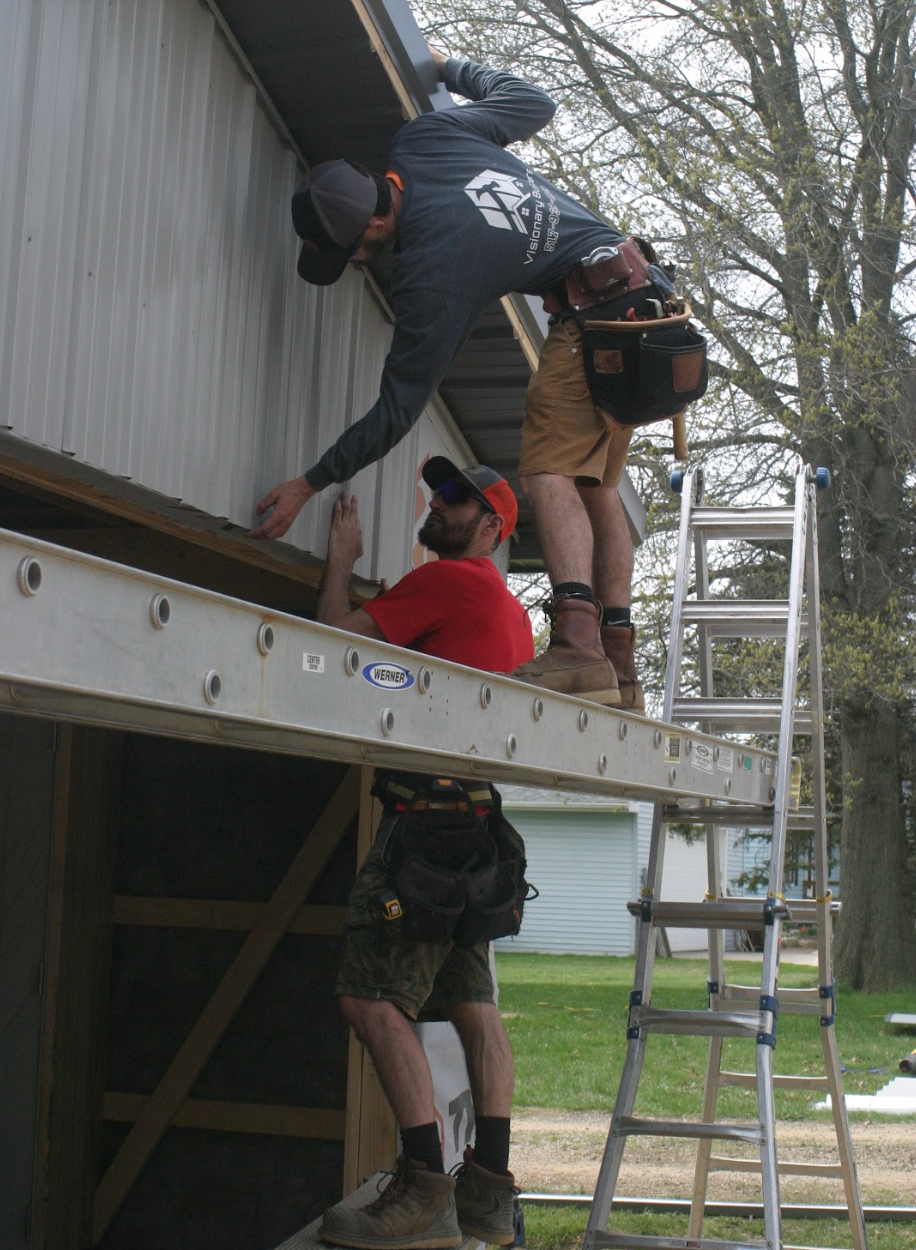
Timing matters. Late spring through early fall is the sweet spot for exterior work in Michigan. Temperatures are steady, conditions are drier, and materials install and cure the way they're supposed to.
That said, the busy season fills up quick. If you're thinking about a project for next year, now's a good time to start the conversation.
Common Mistakes Homeowners Make
The biggest mistake we see? Picking materials based only on price or how they look, without thinking about how they'll hold up in Michigan. Even great products fail early when the install is rushed, the sealing's skipped, or the drainage isn't planned right.
That's why working with a contractor who knows this climate matters.
Simple Maintenance Goes a Long Way
You don't need to be doing major work every year. Just a little upkeep keeps things in shape:
Get an annual inspection, especially after winter
Keep your gutters clean
Reseal wood surfaces as needed
Fix small issues before they turn into big ones
A couple hours a year can save you a major repair bill down the road.
Building for the Long Haul
Long-lasting exterior materials come down to three things: picking the right products for our climate, installing them right, and keeping up with simple maintenance. The goal isn't just curb appeal today, it's a home that holds up for decades of Michigan weather.
Ready to Protect Your Home?
If you're planning an exterior project, choosing materials built for Michigan's climate is one of the smartest moves you can make. The right call now means fewer repairs and headaches down the road.
Give us a call for a free estimate, we would love to help.
Frequently Asked Questions
-
Freeze-thaw damage occurs when water enters materials, freezes, expands, and then thaws. This repeated process causes materials to weaken, crack, and deteriorate over time.
-
Late spring through early fall is ideal, as weather conditions are more stable and better suited for installation.
-
Regular sealing, proper drainage, and using treated or engineered materials can significantly reduce moisture damage and extend the life of your deck.
-
Moisture can lead to rot, mold, corrosion, and structural weakening, especially when combined with freeze-thaw cycles.
-
Both decks and pole barns should be inspected at least once a year, ideally after winter. Regular maintenance such as sealing wood, tightening fasteners, and checking for moisture damage can significantly extend their lifespan and prevent costly repairs.