
How to Prepare Your Roof for Michigan Fall and Winter
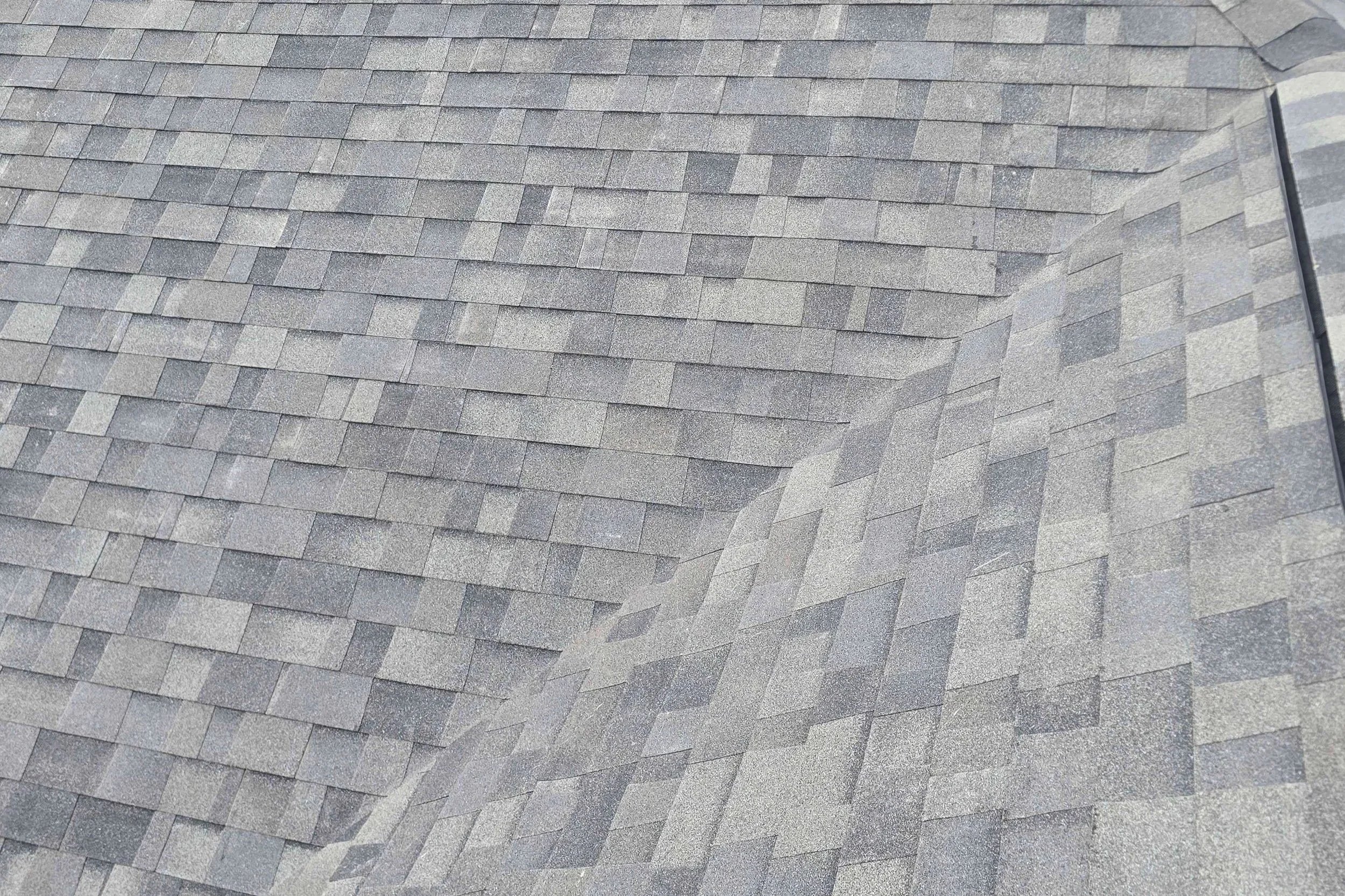
Michigan weather is tough on your roof. It can go from sunny skies to snow drifts in no time, and once that first snow hits, small problems get a lot harder to reach. Catching them now is the whole point of fall roof prep. A little work this fall can save you from emergency calls, water damage inside your home, and ice buildup later.
We put together this winter roof checklist to help you get ahead of the cold. Walk through it before freezing temperatures settle in, and you'll head into winter with a lot less to worry about.
Why Fall Roof Prep Matters in Michigan
Before the first snow, the goal is simple. You want to handle anything that can let water in, trap water, or put stress on your roof. The big ones are missing or lifted shingles, cracked pipe boots, loose flashing, clogged gutters, weak gutter hangers, roof debris, soft decking, and poor attic ventilation.
It's the small stuff that gets expensive fast. A lifted shingle can turn into a roof leak. A clogged gutter can lead to ice buildup. Loose flashing around chimneys, valleys, sidewalls, and roof penetrations lets meltwater sneak under your roofing. Once that water gets into your insulation, drywall, sheathing, or framing, it's not a simple roof fix anymore.
Ice dams are one of the biggest winter concerns around here. Michigan's own winter preparedness guidance tells homeowners to clear leaves, sticks, and debris out of gutters and downspouts so melting snow can drain. It also says to keep heavy snow loads down when you can, since all that weight raises the risk of ice dams and roof failure.
Your Ground-Level Winter Roof Checklist
You can spot a lot from the ground with a good pair of binoculars or your phone's zoom. Here's what to look for:
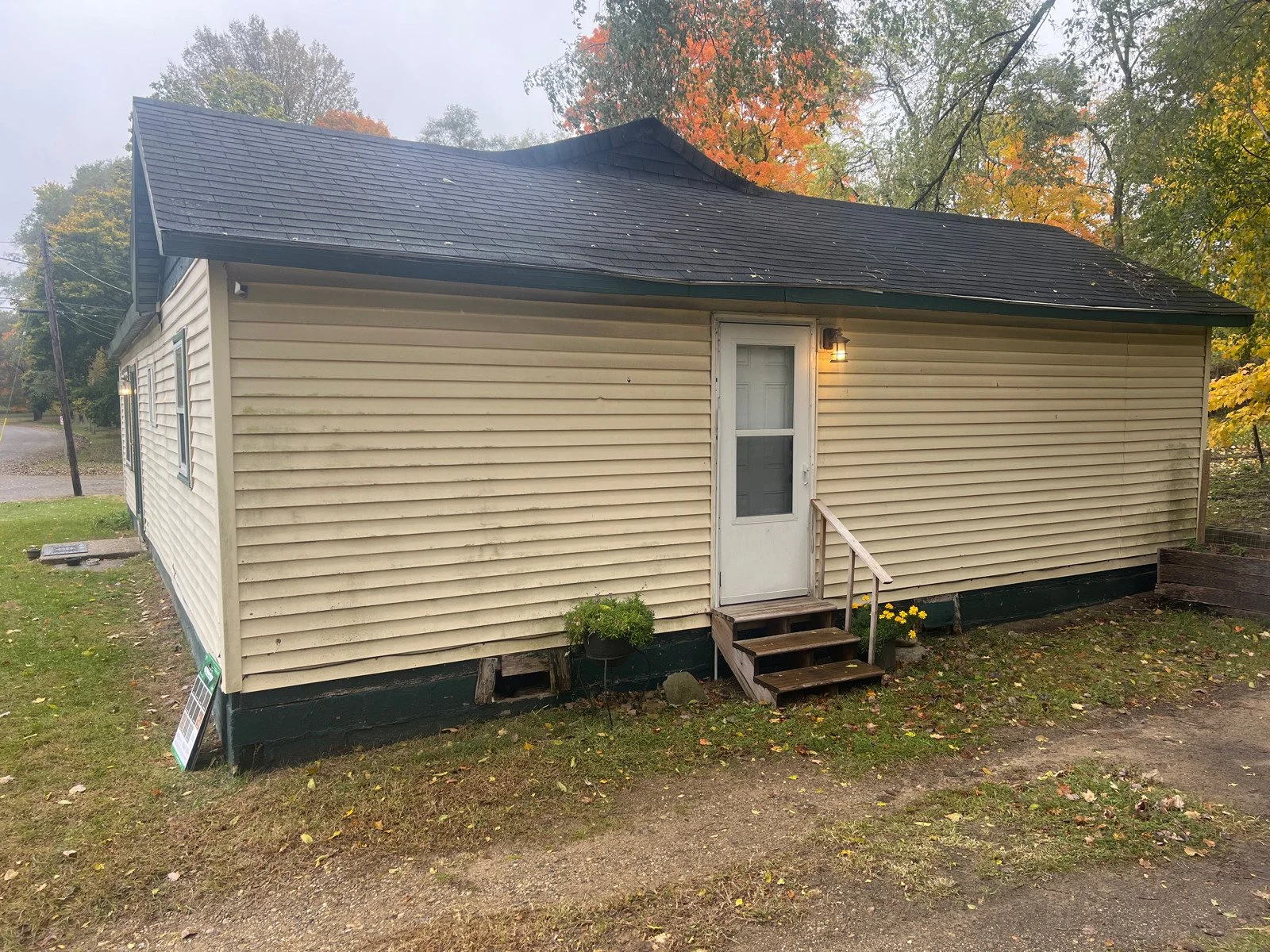
Missing, lifted, curled, or cracked shingles
Shingle granules collecting at your downspout exits
Sagging gutters or gutters pulling away from the fascia
Downspouts that are disconnected, crushed, or dumping water near the foundation
Leaves, sticks, pine needles, or seed pods piled in valleys or behind chimneys
Exposed, bent, rusted, or loose flashing
Dark staining on fascia or soffits
Tree branches touching or hanging over the roof
Rooflines that look wavy, dipped, or sagging
Spots that grew heavy icicles in past winters, especially near eaves and gutters
One thing to keep in mind: don't climb onto a steep, wet, frosty, or aging roof. Stay on the ground. Anything that involves flashing, roof penetrations, soft decking, or steep slopes is worth having a professional like us take a look at.
What Clogged Gutters Do to Your Roof in Winter
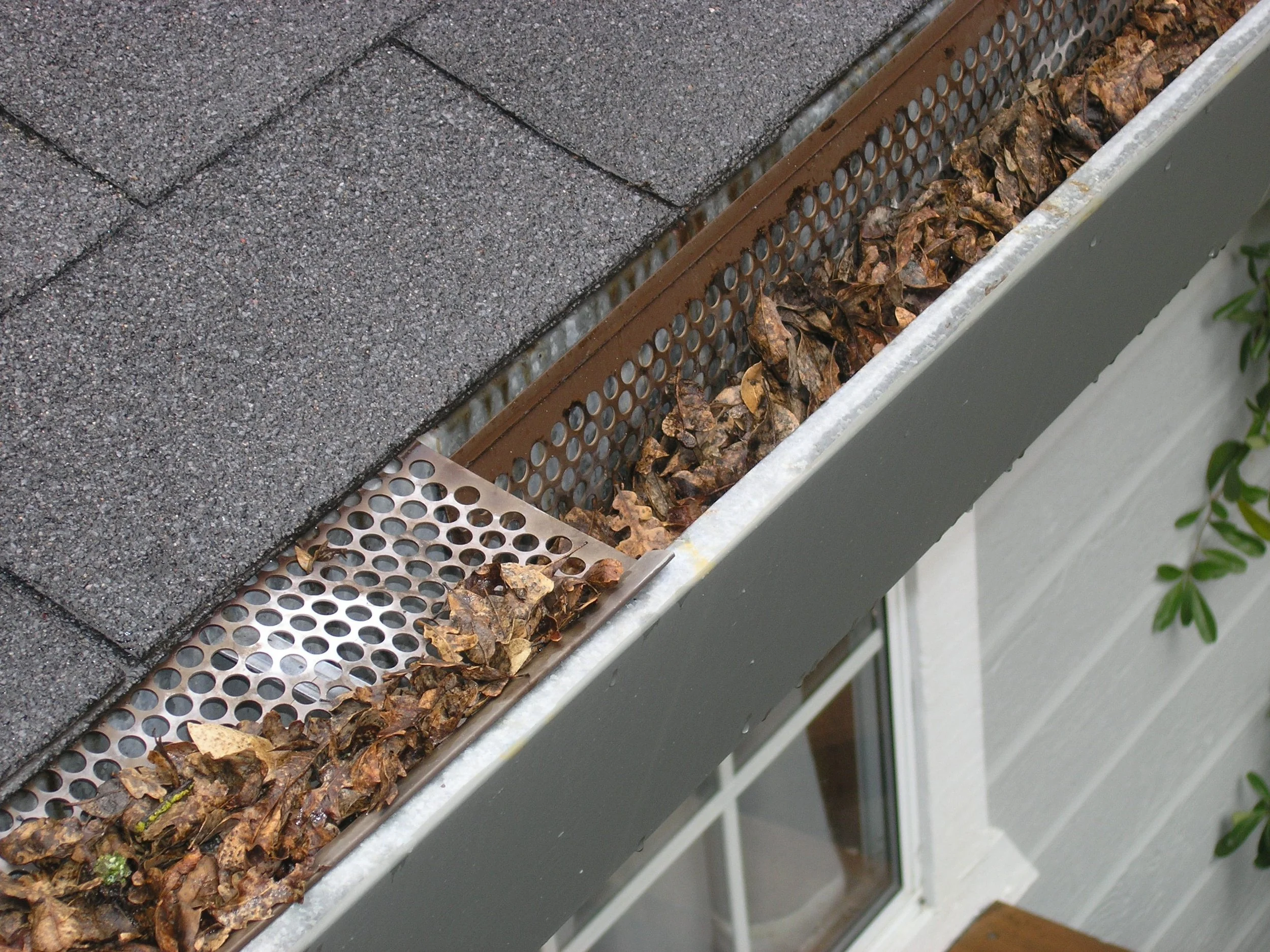
Clogged gutters cause a drainage problem at the exact moment your roof needs drainage the most. In fall, leaves and debris block the trough and the downspouts. In winter, melting snow has nowhere to go. That water refreezes at the eaves, builds up heavy ice, pushes on your shingles, pulls on your gutters, and backs up under the roof edge.
The Insurance Information Institute says the same thing. Cleaning the leaves, sticks, and debris out of your gutters lets melting snow and ice flow freely, which helps prevent ice damming, where blocked water seeps into the house and damages your ceilings and walls.
Your Attic Plays a Big Role in Ice Dams
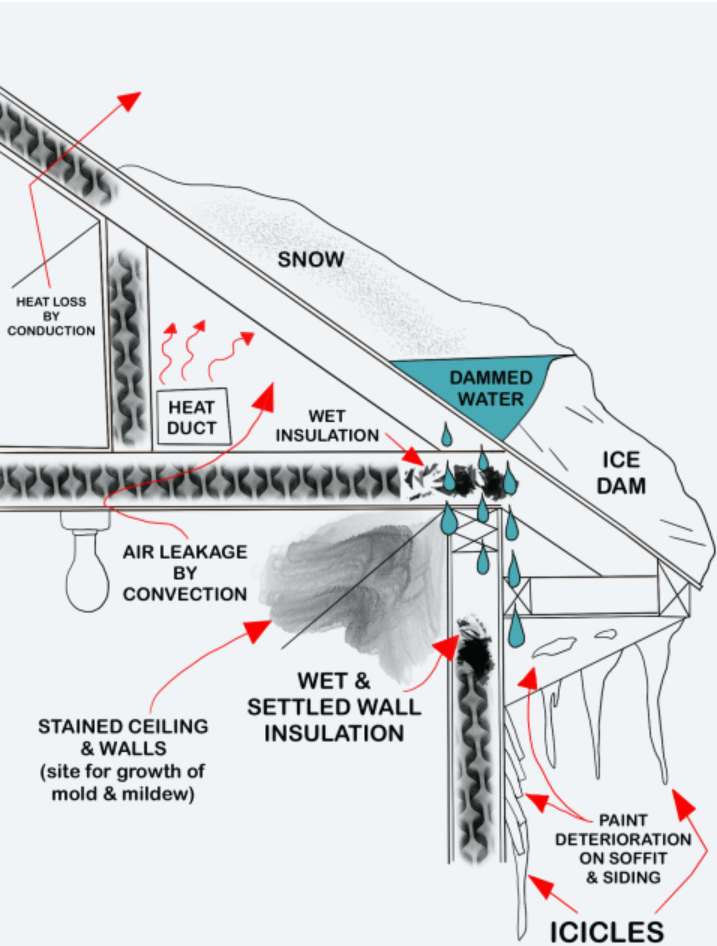
A roof that looks fine from the driveway can still run into winter trouble if warm attic air is escaping into the roof. Ice dams often form when heat from inside your home warms the roof deck, melts the underside of the snow, and sends water down toward the colder eaves where it refreezes.
Good insulation slows that heat loss. Proper air sealing keeps warm, moist indoor air from leaking up into the attic. Proper ventilation moves air through the attic and reduces moisture. Together they cut down on ice dams, frost on the roof decking, mold, wet insulation, and early roof wear. MSU Extension points to the same root cause, noting that ice dams usually trace back to too little insulation or too little ventilation in the attic.
Extra Steps for Big Trees and Older Roofs
Homes with big trees need a little more attention before winter. Leaves, acorns, pine needles, and small branches pile up in gutters, valleys, and behind roof penetrations. Heavy shade slows drying, so moss, algae, and damp debris stick around longer. Older roofs need extra care too, because brittle shingles, worn seal strips, old pipe boots, and aging flashing don't hold up as well through freeze-thaw cycles.
For these homes, fall roof prep should include clearing the valleys, cleaning the gutters and downspouts, trimming back branches, checking for moss, and taking a close look at the chimney and wall flashing. If your roof is older, get it checked before winter. A small repair is a lot easier in dry fall weather than in the middle of snow, ice, and an emergency leak.
Don't Forget Your Pole Barn and Deck
Your roof isn't the only thing that needs fall prep. We build and service pole barns, garages, and custom decks all over Mid-Michigan, and they all take a beating from the weather.
For pole barn roofs, check the metal panels, exposed fasteners, ridge caps, gutters, door tracks, and trim. Look for loose screws, damaged closures, rust spots, bent trim, or debris where the roof transitions. Keep an eye on snow slide areas and any branches hanging over the building.
For decks, check the ledger connections, posts, stair stringers, railings, joist hangers, and deck boards. Loose railings and weak stairs get dangerous fast once everything ices over. If your deck is attached to your house, take a close look where the ledger meets the siding. Water getting in there can hurt both your deck and your home's framing.
DIY or Call a Pro?
You can usually handle the ground-level checks, a little yard cleanup, and looking things over yourself. If your gutters are low and easy to reach and you can set up a ladder safely, that may be manageable too. What you want to stay away from is walking on the roof, working near power lines, climbing in icy or windy weather, or trying to patch flashing yourself.
Give us a call when you see missing shingles, an active leak, sagging gutters, loose flashing, soft spots, chimney issues, steep or multi-story rooflines, heavy moss, or signs of moisture in the attic. The simple rule: if the job means getting on the roof, disturbing shingles, sealing flashing, or figuring out where water is getting in, it's worth bringing in a pro.
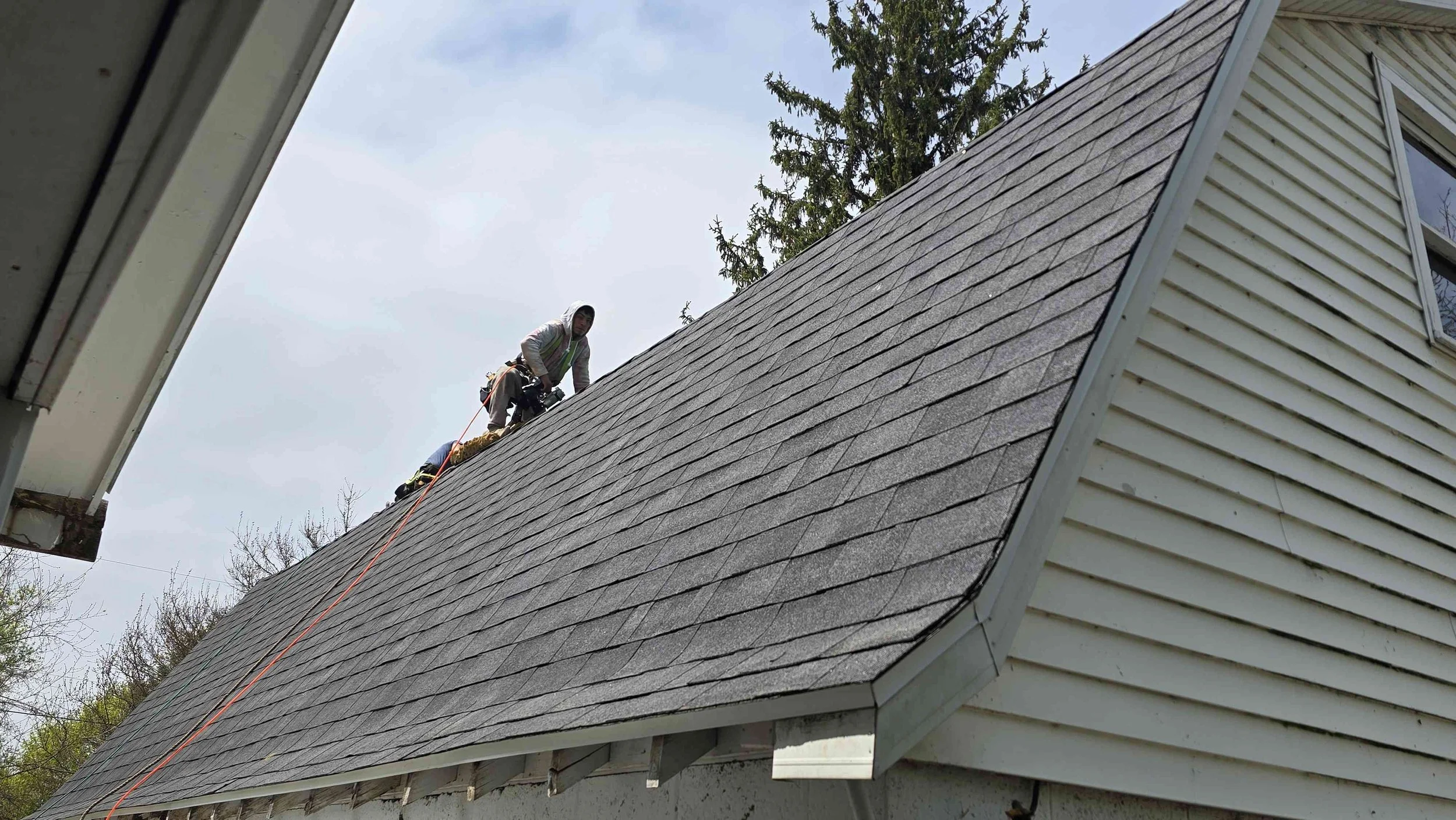
How Visionary Builders Handles Preventative Roof Work
A basic inspection usually answers one question: does the roof need a repair or a replacement? Preventative work goes further than that. We look at how your whole exterior is going to hold up once Michigan brings freezing rain, snow, ice, wind, and thaw cycles.
That fits the way we already work. We're a family-owned, licensed and insured company doing Home Exteriors and Custom Barns, which means roofing, siding, windows, decks, doors, and pole barns. So instead of just looking at your shingles, we can also look at your roof edges, drainage, flashing, ventilation, siding transitions, fascia, soffits, deck-to-home connections, and the structures nearby. A lot of roof leaks start where two systems meet: roof to wall, gutter to fascia, chimney to shingles, deck ledger to siding, or pole barn panels to trim. That's the kind of whole-property look you want before winter. Vision Led. Process Driven.
Get Your Roof Ready Before the Snow
The most common mistake we see is waiting until the first leak, the first ice dam, or the first heavy snow to think about the roof. By then the roof might be covered, the gutters might be frozen, and a small repair turns into a big one. The fix is simple. Do a fall roof and drainage check before the cold sets in. Clean your gutters and downspouts, clear off the roof debris, look for missing shingles or loose flashing, and get the questionable spots checked before the first snow.
Visionary Builders is a family-owned, licensed, and insured contractor proudly serving homeowners right here in Mid-Michigan.
Ready to get your roof ready for winter? Give us a call for a free estimate at (517) 939-1009.
Frequently Asked Questions
-
Waiting too long. Once the snow arrives, problems are harder to see and harder to reach. A simple fall roof and drainage check is the single best thing you can do to avoid emergency calls and water damage.
-
Aim for October or November, before freezing temperatures settle in. A few small steps in dry fall weather are much easier than dealing with snow, ice, and a frozen gutter later.
-
Ice dams come down to two things: drainage and attic heat. Keep your gutters and downspouts clean so snowmelt can drain, and make sure your attic has enough insulation and ventilation to keep the roof deck cold. Keeping heavy snow loads down helps too.
-
If your gutters are low and easy to reach and you can set up a ladder safely, you can usually handle it. Call in a professional if it means working at height, near power lines, or in icy or windy conditions. When in doubt, give us a call.
-
Yes. For pole barns, check the metal panels, fasteners, ridge caps, trim, and door tracks. For decks, check the railings, stairs, posts, and the ledger where it meets the house. Loose railings and weak stairs are especially risky once everything ices over.