
Pole Barn Layout Planning in Michigan: Storage, Workshop & Future Use
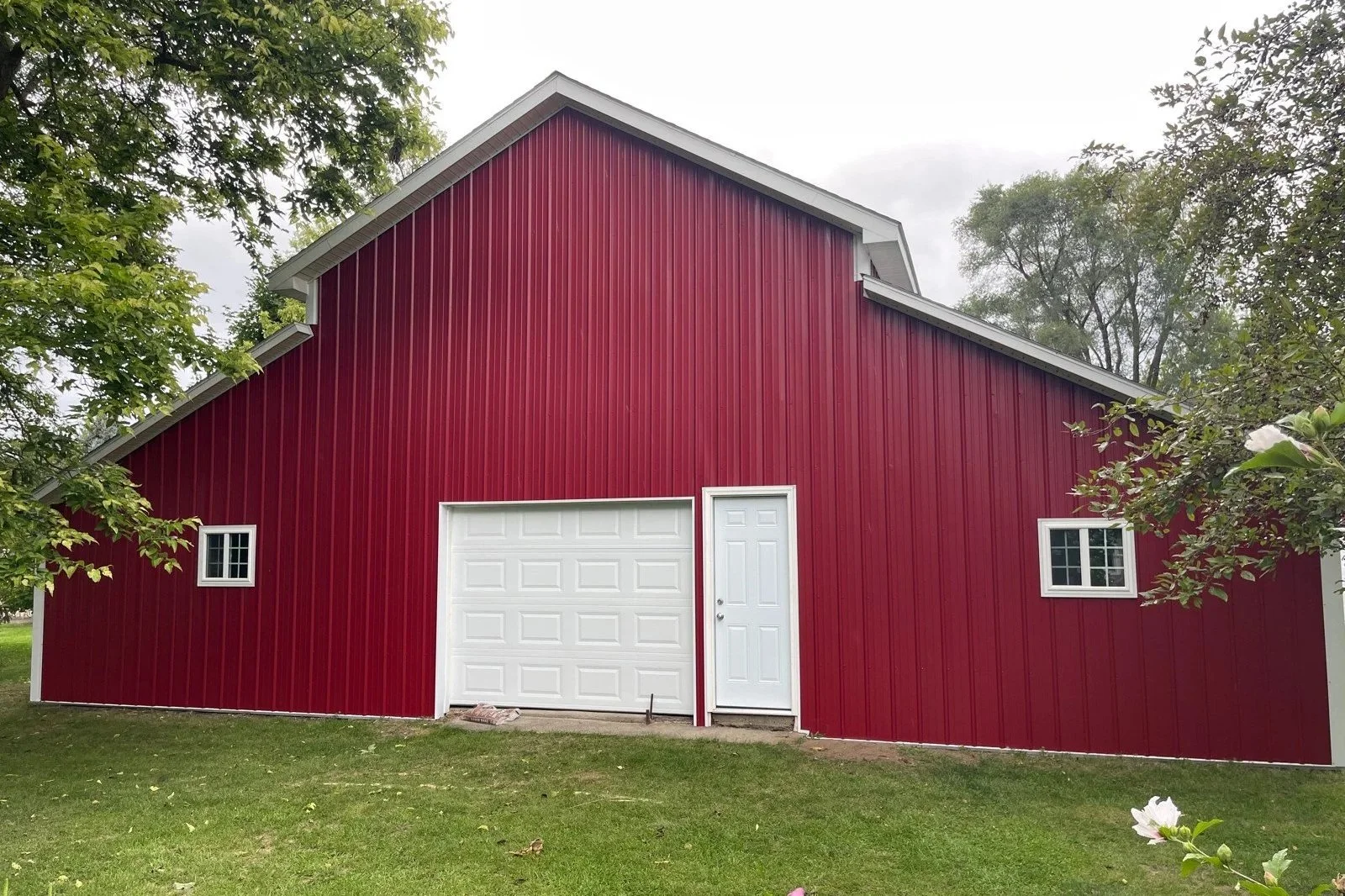
Pole barns get put through a lot. They need to actually work for the way you'll use them, and how you lay it out matters way more than how big you build it.
Here in Mid-Michigan, we see it all the time. Homeowners spend hours picking dimensions but not nearly enough time thinking about how the space will actually work. The result is a barn that looks great from the outside but feels cramped, awkward, or just plain frustrating to use every day.
Good pole barn layout planning starts long before the first post goes in the ground. Here's how we walk through it with our customers at Visionary Builders.
Start With How It Will Be Used
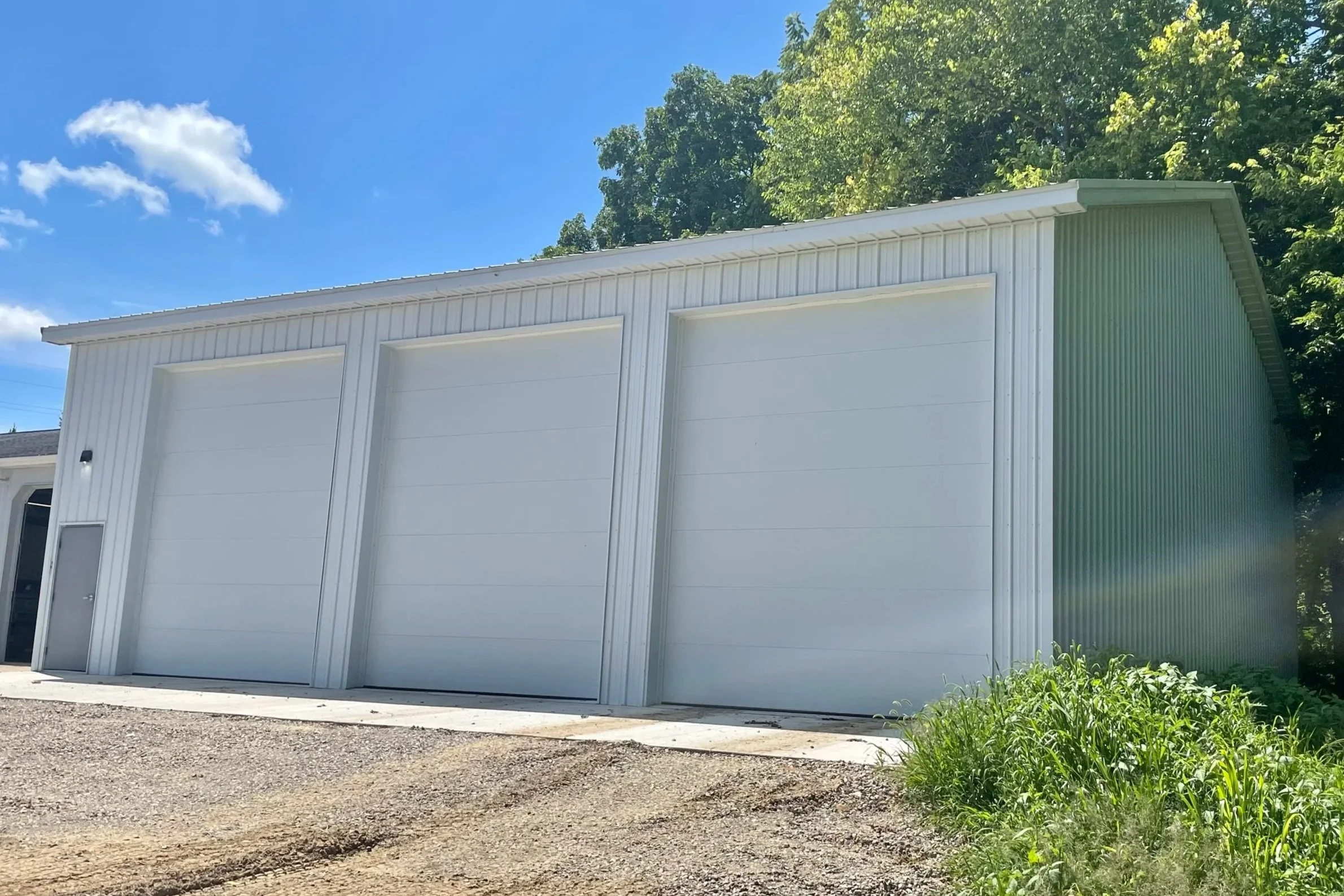
Before you pick dimensions, take a step back and figure out what's going to happen inside the building. Are you parking a tractor-trailer? Setting up a workshop? Storing the boat or camper for winter? Working on projects on weekends? All of the above?
Every one of those uses has different requirements. A multi-purpose pole barn that handles all of your requirements needs to be planned with intention, not just thrown together to "fit everything inside."
And it's worth thinking a few years out, too. The equipment you have now might not be the equipment you have in five years.
Think In Zones
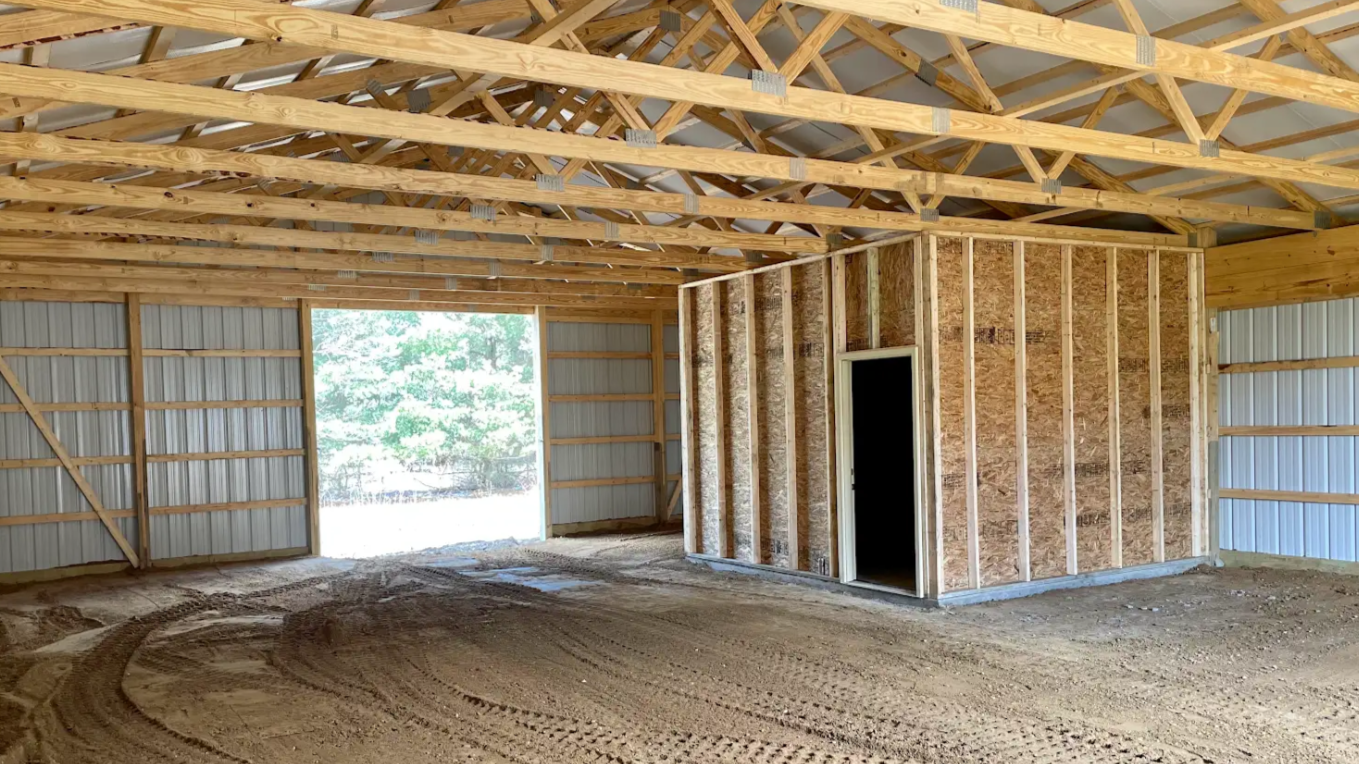
The pole barns that work best are usually broken into clear zones:
Cold storage: Tractors, trailers, mowers, seasonal gear
Active workspace: Benches, tools, and project areas
Movement lanes: Clear paths to get equipment in and out
These zones can't operate on their own. They have to work together. Your workbench shouldn't be blocked by the trailer. Your most-used tools shouldn't be buried behind the snowblower in January. Sounds obvious, but it's the kind of thing that's a lot easier to plan than to fix.
Design For How You Actually Move
One of the biggest mistakes we see is designing barns for static storage rather than real daily movement. It looks fine on paper. Then you go to use it, and you're constantly shuffling things around just to get to what you need. Kind of like the Tupperware drawer in your kitchen.
A good layout keeps things simple:
Clear travel paths with room to turn
Entry doors that line up with how you actually drive in
Clean workspace separated from dirty storage
The stuff you use most is kept near the main door
When the workflow is right, the building just feels easy to use.
Equipment And Access Drive The Plan
Your equipment dictates a lot of the layout. A pickup truck needs less room than a tractor with a brush hog hanging off the back. A skid steer needs space to maneuver. A boat on a trailer needs clearance to swing in.
Things to think through:
Overhead door height and width (a lot of folks underbuild this and regret it)
Turning radius for your biggest piece of equipment
Room to walk around your equipment to maintain it
Storage footprint plus working space, not just the footprint
You don't just want it to fit. You want to actually use the space without rearranging everything every time.
Door Placement Is Hard To Fix Later
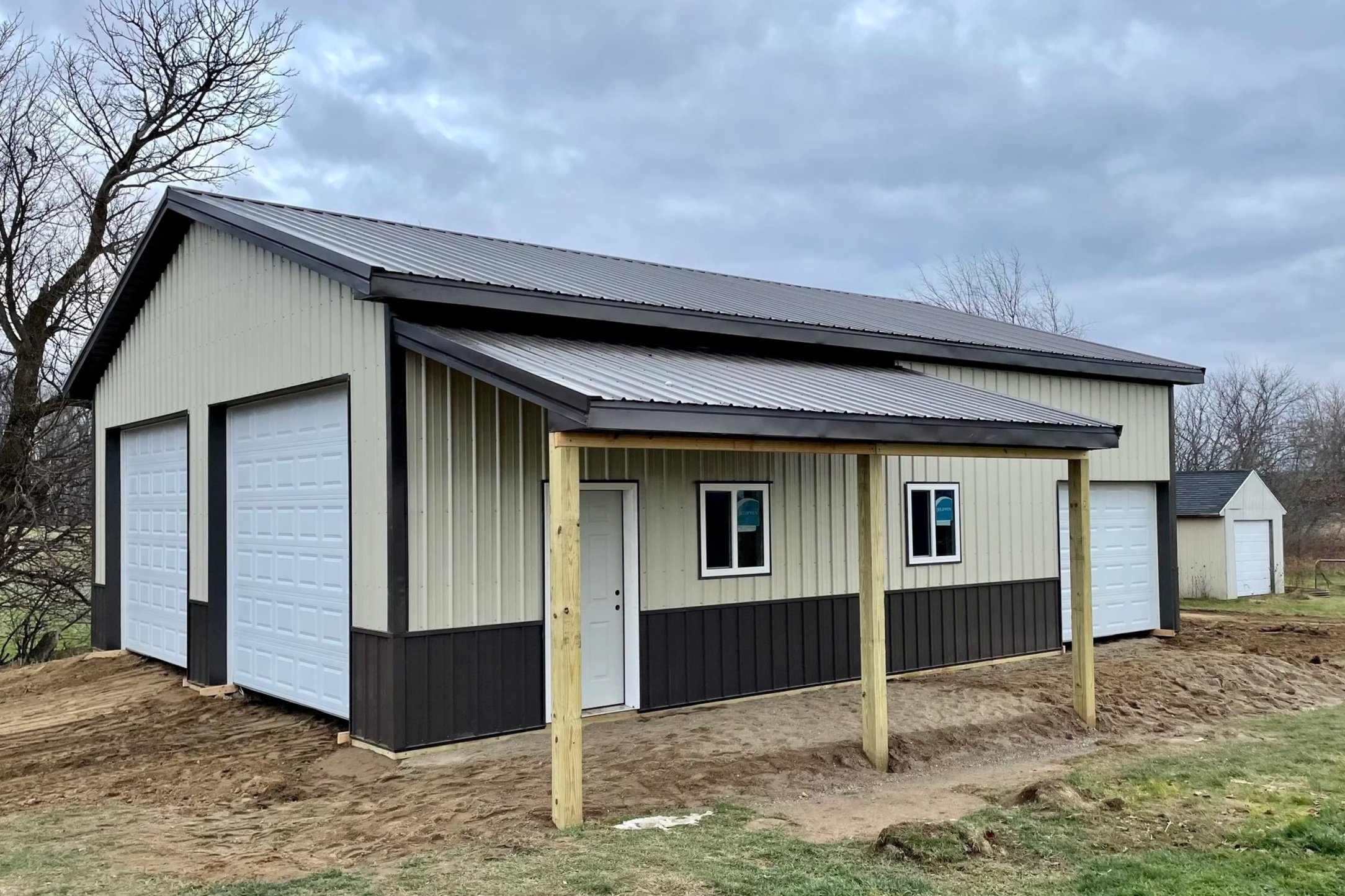
Door placement is one of the most important calls you'll make in a multi-purpose pole barn, and once concrete is poured and walls are framed, it's tough to change.
We always think through:
The angle of the driveway approach
Michigan weather, snow drifts, prevailing winds, and which side of the building catches the worst of it
Multiple access points for bigger barns, so you're not creating a bottleneck at one door
Interior clearance once you're inside
Get this right up front, and you'll be glad you did for years to come.
The Decisions You Can't Easily Undo
Some things are very hard to fix after construction is done. Plan these carefully:
Overhead door size and placement
Ceiling height and truss design
Structural post spacing
Concrete layout and drainage
These are the bones of the building. Once they're set, they're set.
A Real Mid-Michigan Example
We had a homeowner come to us recently, planning a basic storage barn. After we walked through how they actually used their property, equipment, tools, and weekend projects, we adjusted the design to include a drive-through lane, a separate workshop entrance, and taller doors for the equipment they planned to upgrade.
Same square footage. Way better layout. They've told us it works exactly the way they hoped.
Plan It Right The First Time
A great pole barn isn't about cramming everything inside. It's about a building that works with you, supports your daily routine, fits your equipment, and gives you room to grow.
That's what we focus on at Visionary Builders. Right here in Eaton Rapids, we've helped homeowners across Mid-Michigan plan custom pole barns that hold up for the long haul. Licensed and insured, family-owned, and built around what you actually need.
Ready to start planning your pole barn? Give us a call for a free estimate. We are here to help. (517) 939-1009
Frequently Asked Questions
-
How you'll actually use the building day to day. Size matters, but layout matters more. A well-planned 30x40 will outwork a poorly-planned 40x60 every time.
-
Break the space into zones, storage, workspace, and movement lanes, and think through how you'll move between them. Keep frequently used stuff near the main door, separate clean from dirty, and leave room for real workflow, not just static storage.
-
It depends on what you've got. A pickup truck is one thing, a tractor with attachments or a boat on a trailer is another. Always plan for the storage footprint plus room to maneuver and maintain it. And give yourself a little extra for whatever you might add down the road.
-
Some things, yes. You can add shelving, partition walls, or interior storage later. But the big stuff, door placement, ceiling height, post spacing, concrete, is tough and expensive to change after the fact. That's why planning matters so much up front.
-
Leave open-span areas where you can. Run utilities to spots you might want to use later. Build the doors and ceiling height to handle equipment you might upgrade to. A little extra planning now saves a lot of headaches later.
-
We do. We serve all of Mid-Michigan, Eaton, Ingham, Clinton, and Jackson counties, and everywhere in between. Give us a call and we'll see what we can do for your project.